
What Are Peptides?
How To Care For Them
What Are Peptides?
How To Care For Them
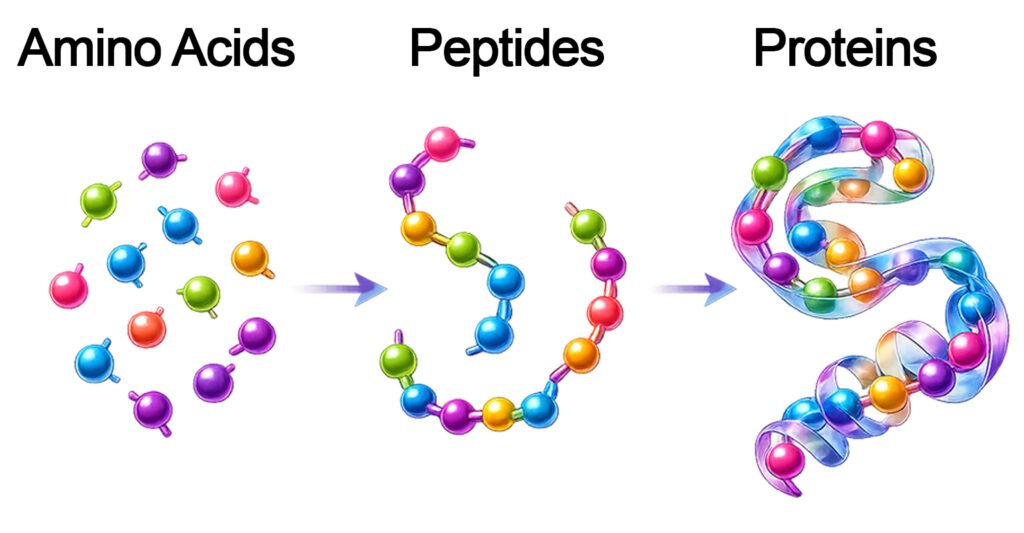
• Peptides are short chains of amino acids linked together by peptide bonds.
• Amino acids are often called the “building blocks of proteins.”
• When a small number of amino acids join together, they form a peptide.
• Longer chains become proteins.
Many naturally occurring hormones and signaling molecules in the body are peptides. Examples Include:
• Insulin • Glucagon • Oxytocin • Growth hormone-releasing peptides
Peptides are involved in:
• Cellular Communication • Hormone Signaling• Immune Response• Tissue Repair & Muscle Growth• Skin and Collagen Production • Metabolism Regulation
How Peptides Work In The Body
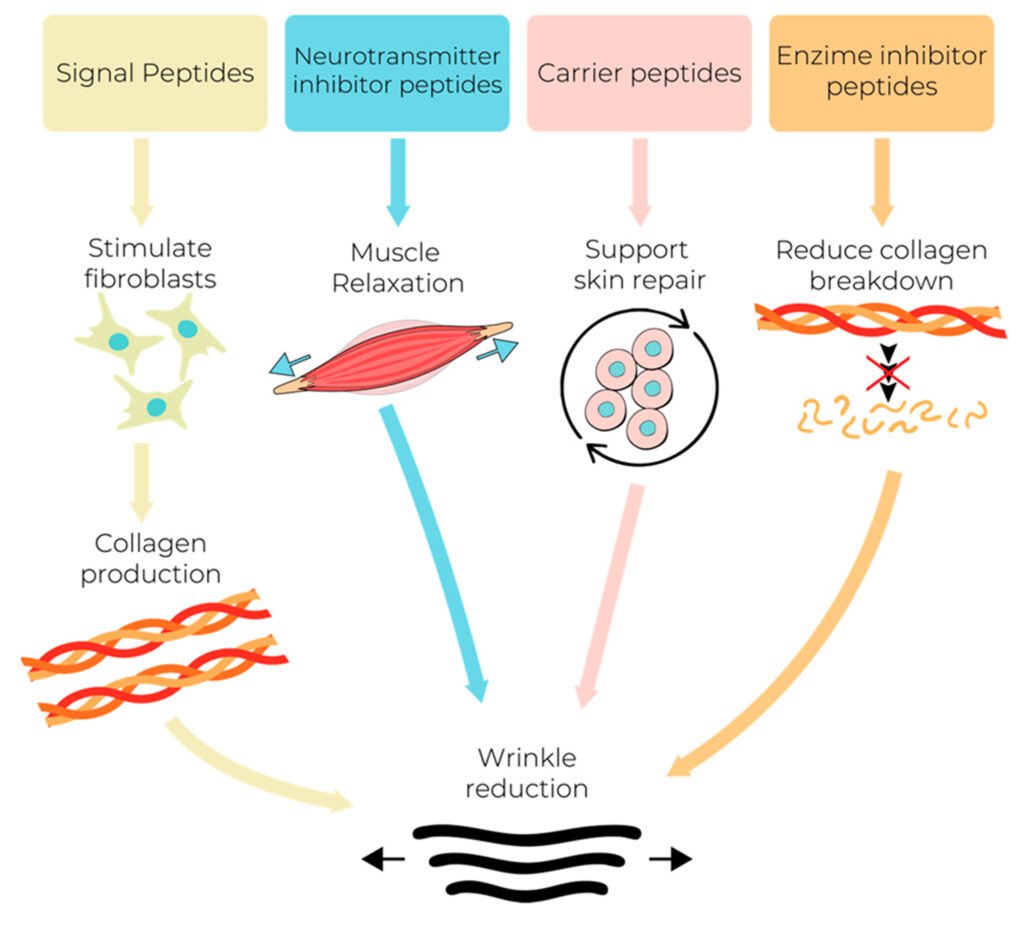
• The body uses peptides as messengers and regulators that help control many biological functions. Because peptides are made from amino acids, they can interact with cells and tissues in highly specific ways.
• Think of peptides like “instructions” that tell the body when to start, stop, increase, or decrease certain activities.
• Below is an example of how peptides signal the body’s natural processes to reduce the effects of aging in the skin.
How Are Peptides Used?
Medical
Uses
• Diabetes
• Hormone deficiencies
• Osteoporosis
• Certain cancers
• Weight management
Cosmetic & Wellness Uses
• Collagen production
• Skin elasticity
• Hydration
• Reduced appearance of wrinkles
• Hair Regrowth
Athletic & Recovery Uses
• Muscle recovery
• Tissue healing
• Sleep
• Growth hormone signaling
• Fat metabolism
What Are Research Peptides?
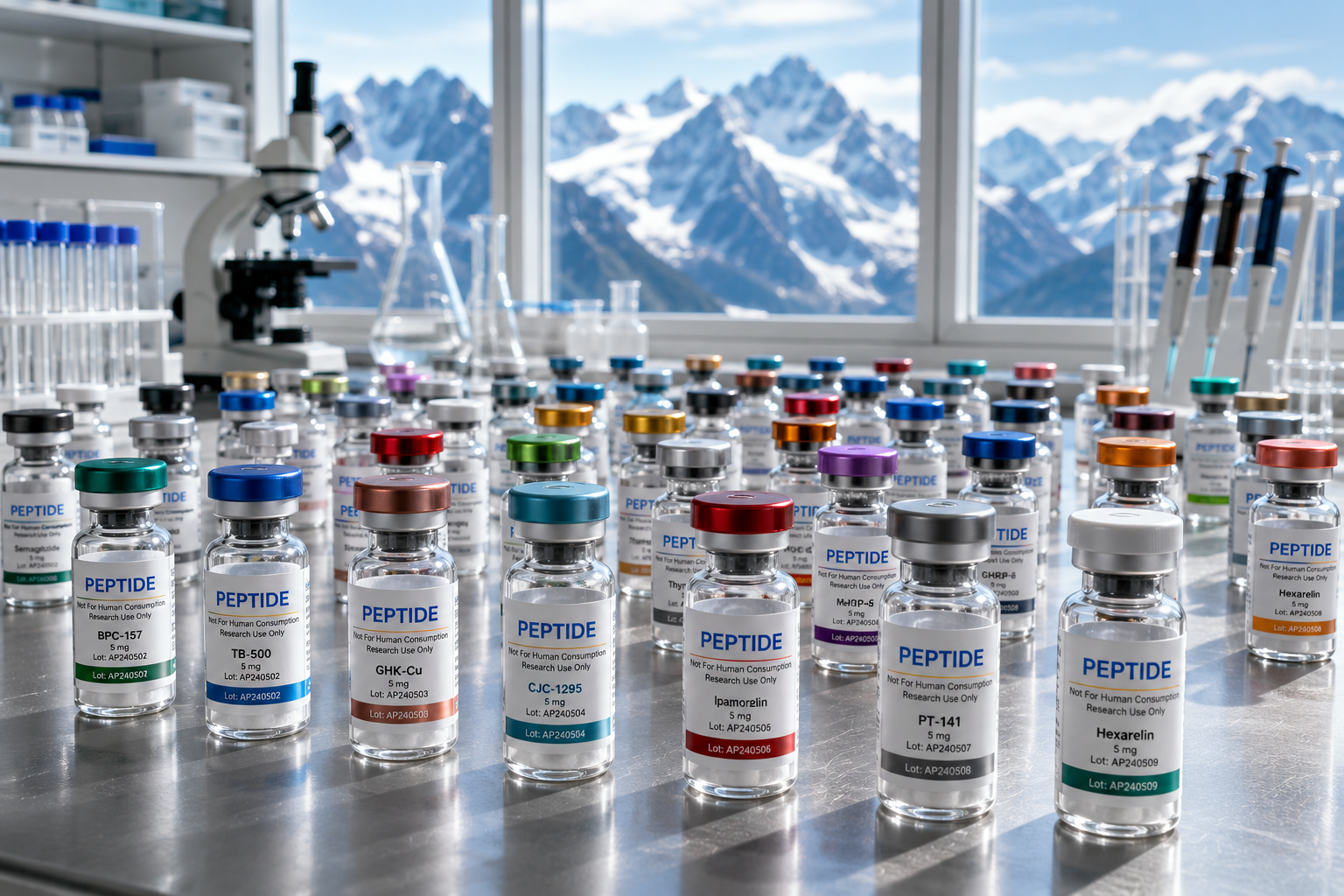
Research peptides are peptides intended strictly for laboratory and scientific research, not for human consumption or medical treatment unless specifically approved by regulatory agencies. They are often sold on the “gray” market using mandatory marketing language like: “Research Use Only—Not For Human Use”. This means they have not necessarily been evaluated for safety, effectiveness, purity standards for medical use, or approved for therapeutic use.
Common Areas Of Peptide Research
Metabolism & Weight
• Appetite
• Insulin sensitivity
• Blood sugar regulation
• Energy expenditure
Tissue Repair & Healing
• Tendon repair
• Muscle regeneration
• Wound healing
• Inflammation
Cognitive & Neurological
• Memory
• Neuroprotection
• Mood
• Brain signaling pathways
Longevity & Cellular
• Cellular aging
• Mitochondrial function
• Oxidative stress
• DNA repair pathways
“Gray Market” Considerations
Purity Verification: What Is a Certificate of Analysis (COA)?
A Certificate of Analysis (COA) is a document provided by a manufacturer or third-party retailer that verifies the quality and testing results of a peptide batch. A new COA should be provided for each new batch before sale.
A COA Typically Includes
• Product name
• Batch or lot number
• Purity percentage
• Molecular weight confirmation
• Testing methods used
• Date of analysis
• Laboratory information
Common Tests Performed
• HPLC (High-Performance Liquid Chromatography)
Used to measure peptide purity.
• Mass Spectrometry
Confirms the molecular weight and identity of the peptide.
Why COAs Matter
A COA helps researchers verify that:
• The correct compound was received
• Purity meets research standards
• Contaminants are minimized
• The batch matches expected specifications
What Is Lyophilized Powder?
Most peptides are sold as a lyophilized powder, which means they have been freeze-dried. Lyophilization removes water from the peptide under low temperature and vacuum conditions, leaving behind a dry powder.
Why Are Peptides Lyophilized?
Peptides are often fragile moleculesthat can degrade when exposed to:
• Water
• Heat
• UV Light
• Oxygen
• Bacteria
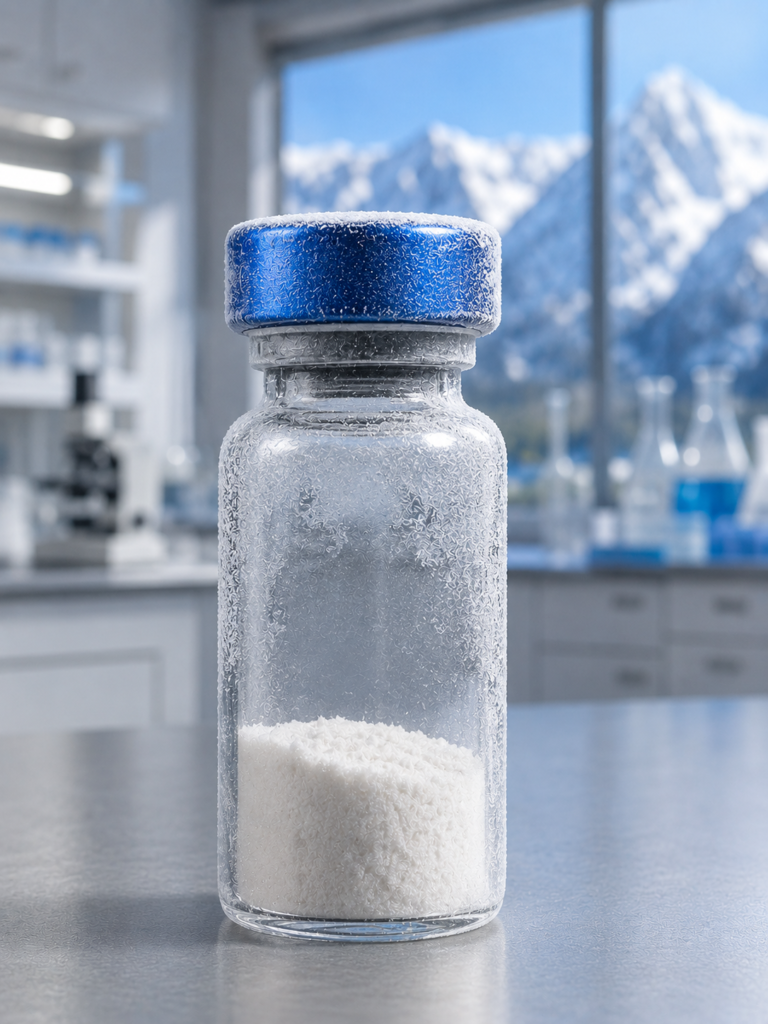
Freeze-drying helps:
• Increase stability
• Extend shelf life
• Reduce degradation
• Improve shipping reliability
This is why peptides are usually stored dry until they are ready to be used in research.
Proper Storage of Peptides
Storage of Lyophilized (Dry) Peptides
Short-Term Storage:
• Refrigeration at about 2–8°C (36–46°F).
• Can last a year.
Long-Term Storage:
• Freezer storage around -20°C (-4°F) is commonly recommended and can last a couple of years.
Additional Tips:
• Keep peptides away from direct light.
• Avoid moisture exposure.
• Minimize repeated temperature changes.
• Avoid repeated freeze-thaw cycles.
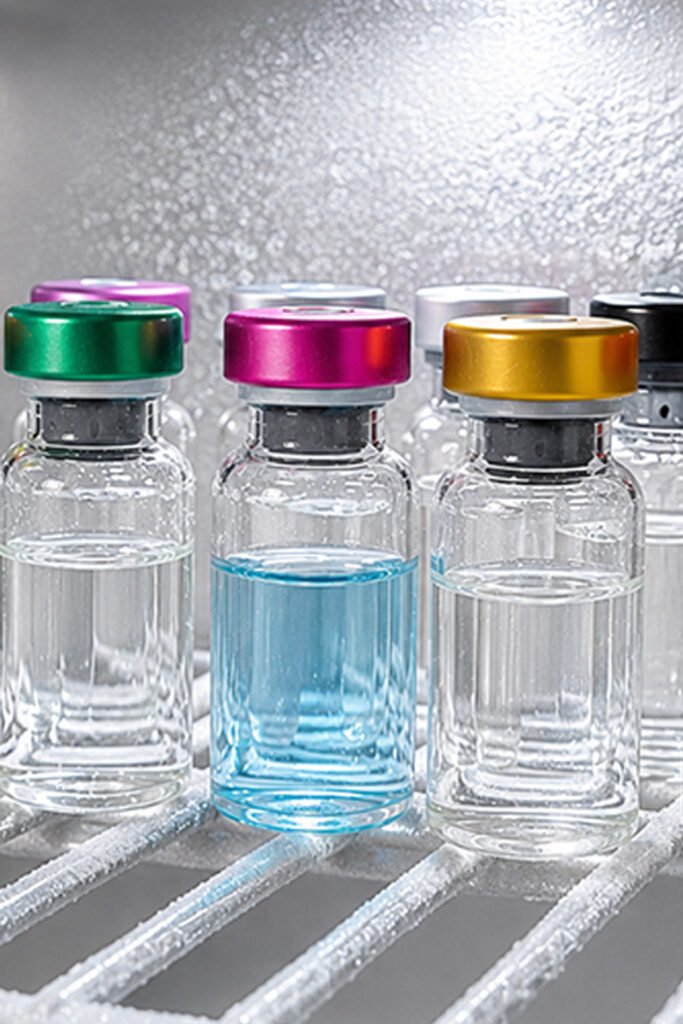
Storage After Reconstitution (Liquid)
Short-Term Storage:
• Refrigeration at about 2–8°C (36–46°F).
• Lasts between 30-60 days.
Additional Tips:
• Keep peptides away from direct light.
• Do not re-freeze.
• Minimize repeated temperature changes.
• Use within the timeframe recommended by the manufacturer.